
OEM / ODM
We Develop LED Lights to Your Requirements
From requirement to production part: design, 3D-printed prototype, tooling, and manufacturing, then long-term supply protected by exclusivity. This is how we work with vehicle manufacturers and lighting brands worldwide.
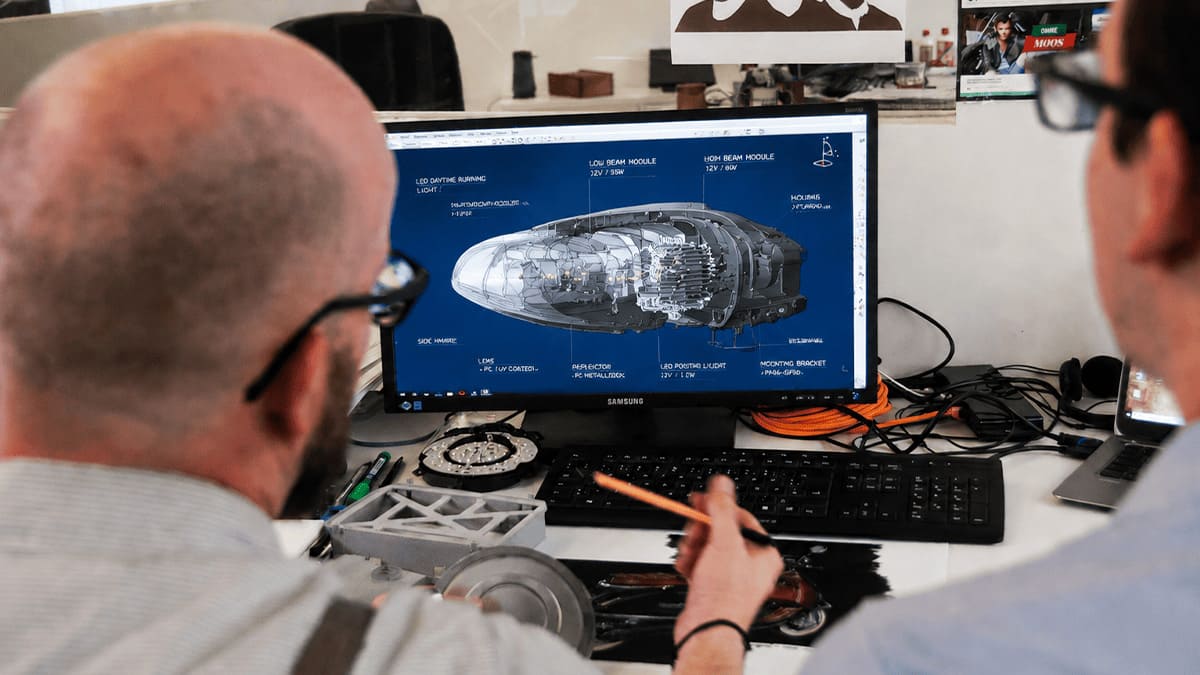
Who We Develop For
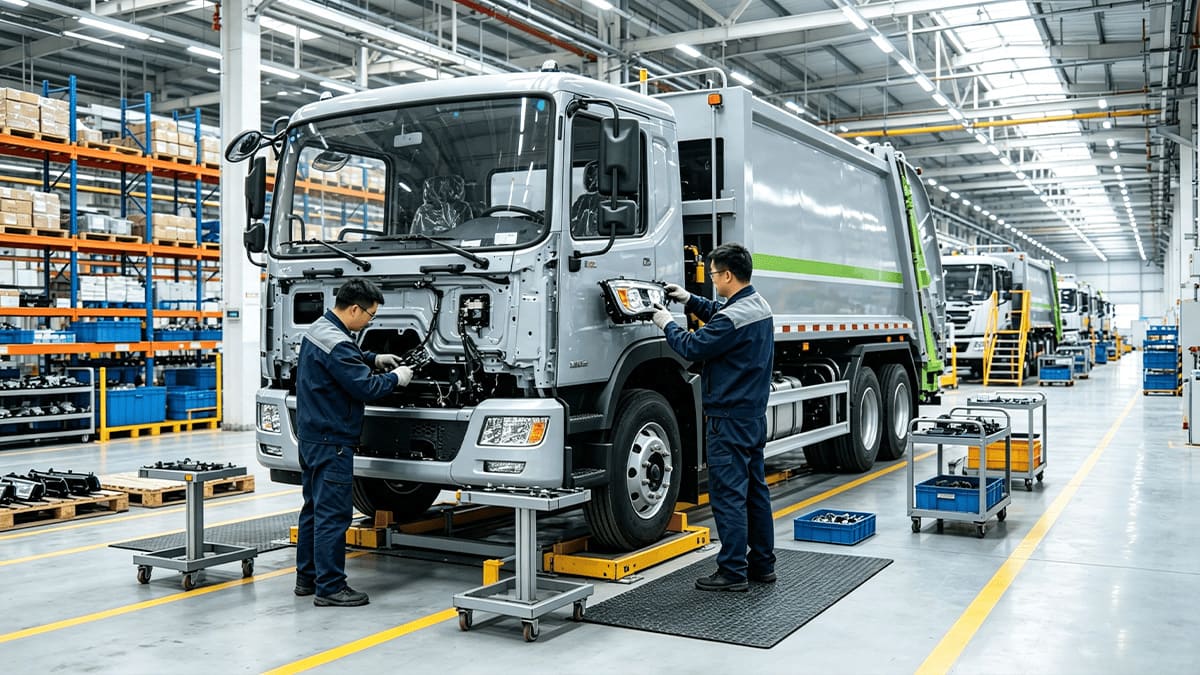
Vehicle & Equipment Manufacturers
You build the machines (refuse trucks, construction equipment, emergency vehicles) and need lighting engineered for your platform: exact mounting, beam pattern, connector, and compliance. We develop the light; you install it on your production line.
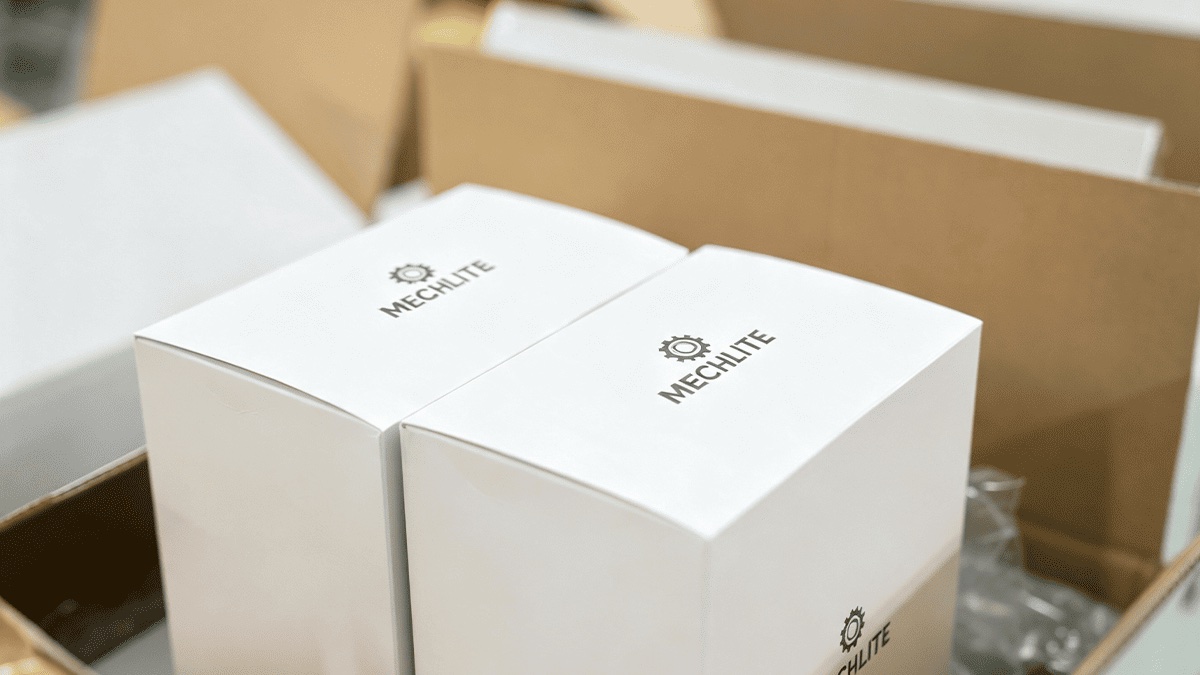
Lighting Brands & Solution Providers
You know your market and own the customer relationship. We are the engineering and manufacturing partner behind your brand: your spec, your logo, your packaging, built and supplied exclusively to you.
Industries We Have Developed For
Confidentiality matters in development work, so we do not publish customer names. Delivered projects include lights developed for:
Refuse & municipal trucks
Co-developed lighting for refuse truck platforms: loading zones, side work lights, and cab positions.
Lighting solutions →
Construction machinery
Work lights engineered for excavators, loaders, and site machinery.
Lighting solutions →
Fire trucks
Scene and equipment-bay lighting developed with apparatus builders.
Lighting solutions →
Ambulances
Compartment and scene lighting for patient-transport vehicles.
Lighting solutions →
Ships & marine platforms
Salt-spray-proof deck and mast lighting for workboats and vessels.
Lighting solutions →
Aircraft
Specialised lighting developed to aviation customer specifications.
OEM project? Talk to usThe Development Process
A proven path from your requirement to serial production, with a physical checkpoint at every stage before the next investment is made.
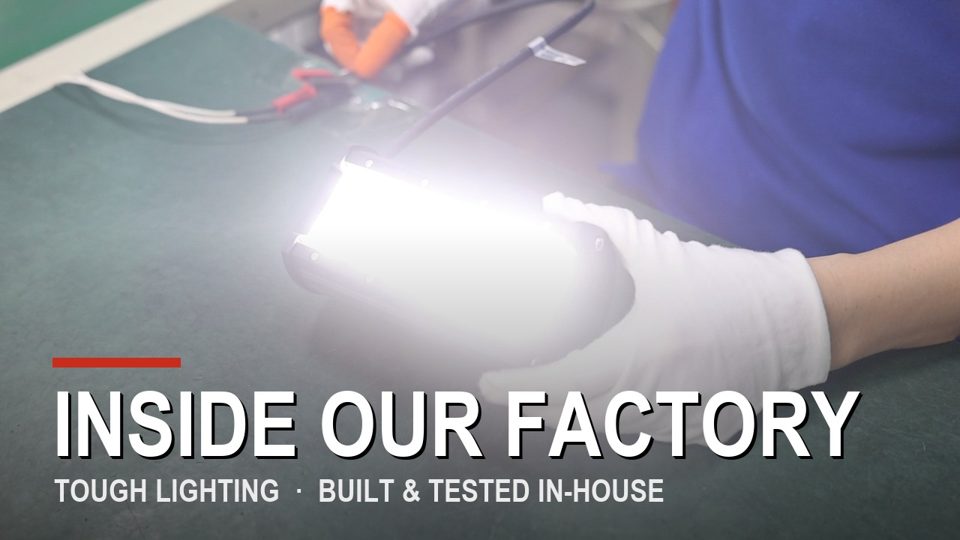
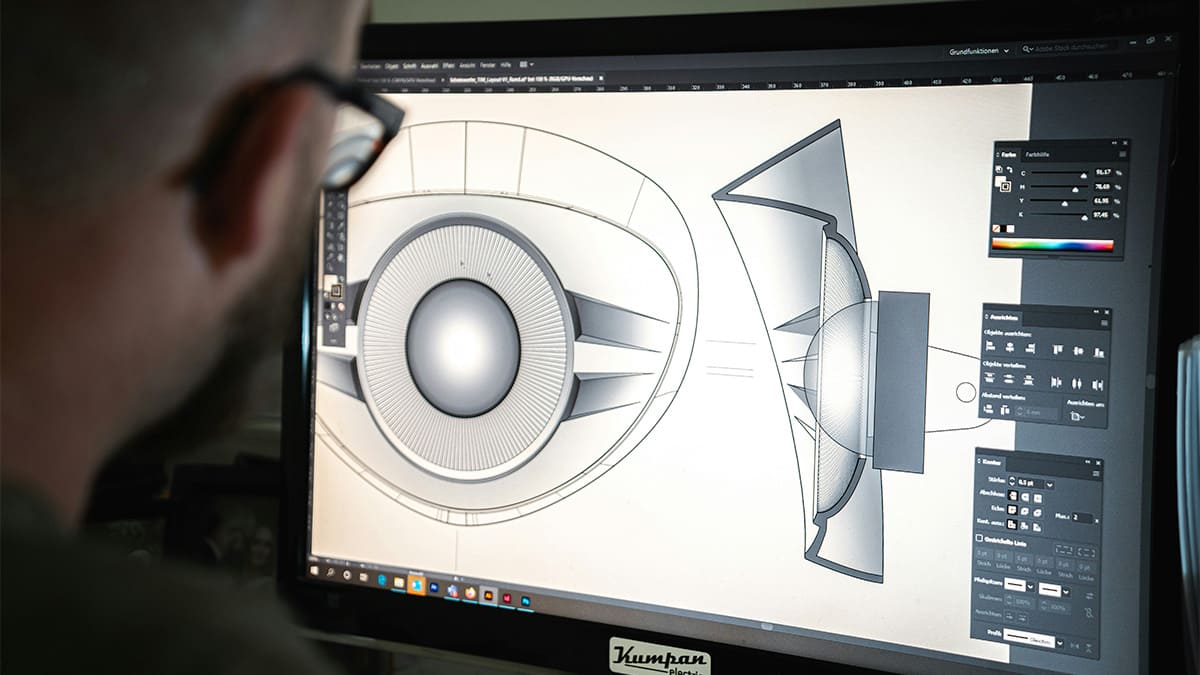
Phase 1
≈ 2–4 weeksDesign & Validation
-
Requirements
Day 0Send us your mounting space, beam requirements, voltage, connector, and target regulations. Drawings, photos of the install position, or a sample part are all good starting points.
-
Design & Engineering
7–15 daysOur engineers design the optics, housing, and thermal layout, and review it with you until the design is confirmed.
-
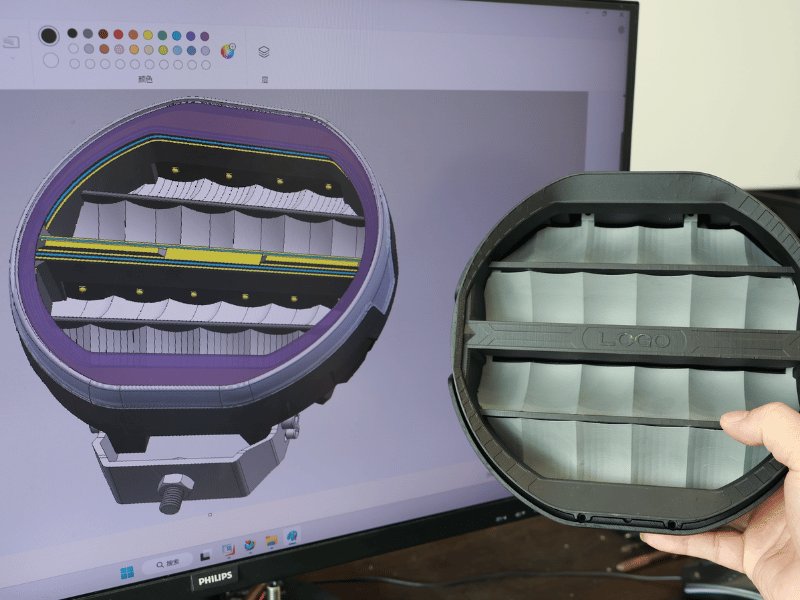
3D-Printed Prototype
5–7 working daysYou receive a 3D-printed sample to verify fit and installation on the actual vehicle before any tooling money is spent.
Phase 2
≈ 6–8 weeksTooling & Pre-Production
-
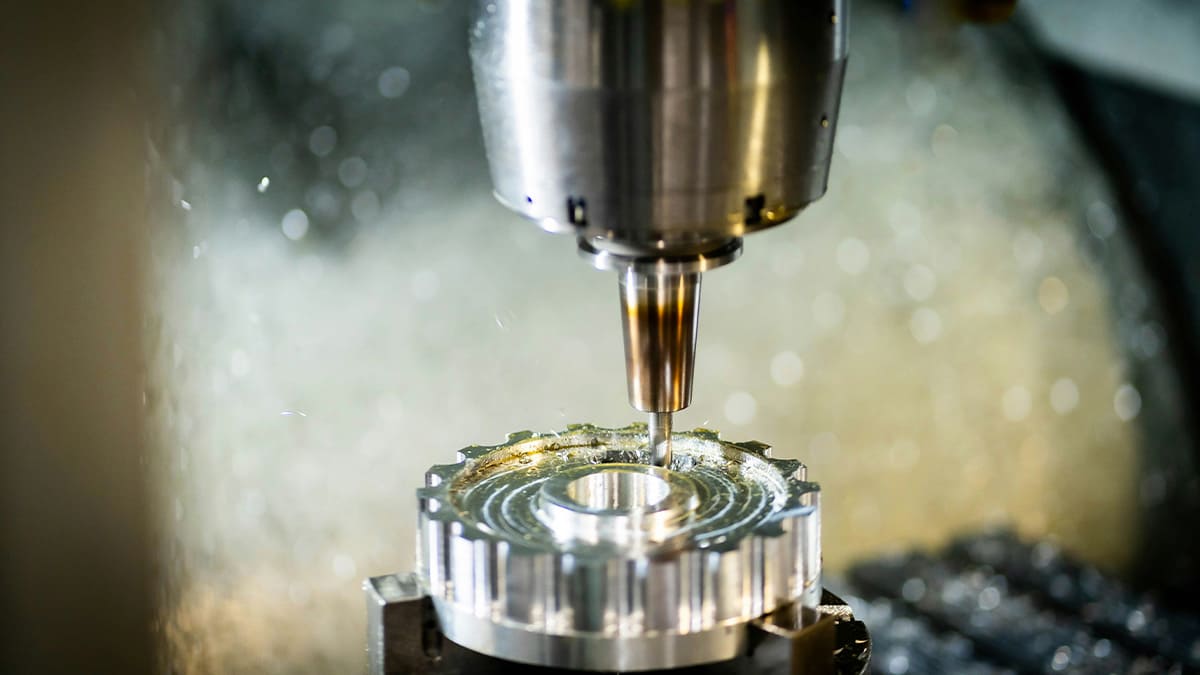
Production Tooling
30–45 daysOnce the prototype is approved, we cut production tooling. The investment can be shared (we carry part and amortise it into the unit price) or fully customer-funded.
-
Pre-Production Samples
7–10 working daysFirst samples off the production tooling, for final validation and certification testing on your side.
Phase 3
First batch in 25–30 daysProduction & Supply
-
Mass Production
25–30 daysSerial production with full quality control. From here on, repeat orders run on standard lead times.
-
Long-Term Supply
OngoingDeveloped products stay in our system for repeat orders, and can be contractually protected so they are never sold to your competitors.
Two OEM routes compared: catalogue lamp under your brand, or a new part to your drawing
Two routes, depending on whether your drawing calls for a catalogue lamp or a new part. The table shows what each one asks of you, what you get back first, and how long the steps take.
| Catalogue lamp, your brand | New part to your drawing | |
|---|---|---|
| When it applies | A catalogue model meets the drawing; you want your logo, packaging, connector and cable length | The mounting position, beam or housing is new |
| What you send first | Machine model, lamp positions, known part numbers or photos, expected quantity | Drawing or requirement, mounting limits, operating conditions, expected quantity |
| What you get in the first reply | Candidate models, the configuration points to confirm, and the sample and quotation plan | A feasibility answer, the scope of development, and the cost and stage plan |
| Steps and timing | Samples ship first, typically within 1 to 5 days; production in 15 to 25 working days; from 60 pieces per model | Design 7 to 15 days; 3D-printed prototype 5 to 7 working days; production tooling 30 to 45 days; pre-production samples 7 to 10 working days; first bulk shipment four to five months from design start |
| Tooling | Not needed | Shared and amortised into the unit price, or funded by you for a lower unit cost; products developed for you can be covered by an exclusivity agreement |
Have a light to develop? Send drawings, photos, or just a description. Our engineers reply within 24 hours with a feasibility assessment.
Describe Your ProjectCommercial Terms, Stated Plainly
Development MOQ
A catalogue product built to your specification starts at 60 pieces per model. A product developed from scratch carries a higher minimum that depends on the design, the tooling involved and the unit value. Our sales team confirms it with the quotation.
Tooling Investment
Die-casting, injection and sheet-metal bracket tooling; cost depends on design and size. We co-invest and amortise our share, or you fund it fully for a lower unit cost.
Exclusivity
Lights developed for you can be protected by an exclusivity agreement: we will not sell them to your competitors.
Certifications
CE, E-Mark, DOT, and EMC (CISPR 25) testing and documentation are arranged as part of the development plan for your target markets. The CISPR 25 class a lamp has to meet is set by the vehicle and the target market rather than by the lamp, so we confirm it per model and develop and test to the severity level you specify.
Brackets and wiring harnesses can also be supplied on their own, without lamps: your bolt pattern, a tube clamp instead of a flat foot, stainless for a fleet on the coast, or a harness terminated to the connector you name. See custom brackets and mounts → · See custom wiring harnesses →
Just Need Your Brand on Proven Products?
Not every project needs new tooling. Our catalogue of 300+ lights is available for private-label supply from 60 pieces per model: logo, packaging, connectors, and cable lengths to your spec. Monthly capacity is 120,000 lights.
Custom Development FAQ
How long does a development project take end to end?
From design start to first bulk shipment is typically four to five months: design 7–15 days, 3D-printed prototype 5–7 working days, tooling 30–45 days, pre-production samples 7–10 working days, and mass production 25–30 days, plus your confirmation time at each checkpoint.
What information do you need to start?
The mounting position and available space, voltage system, desired beam pattern, connector type, and the regulations of your target market. A drawing helps, but photos and a sample part work too.
What is the minimum order for a custom light?
Two different numbers for two different things. A catalogue product built to your specification (your branding, connector, cable length, bracket or colour temperature) starts at 60 pieces per model. A light developed from scratch on new tooling carries a higher minimum, because the tooling has to be amortised over the run; the figure depends on the design, the tooling involved and the unit value, so our sales team confirms it with the quotation rather than quoting one number for every project.
Can you modify an existing model instead of developing from scratch?
Usually yes, and it is the faster and cheaper path. Changing the bracket, connector, cable, colour temperature, beam pattern or lens on a light already in our catalogue avoids new housing tooling entirely, which removes both the tooling investment and roughly two months from the schedule. Tell us which catalogue model is closest to what you need and what has to change.
How far can the optics be changed: colour temperature, beam pattern, output?
Further than most buyers expect, and at two levels. Selecting a different LED, colour temperature or lens from what we already run changes nothing in the tooling: any colour temperature is available from 60 pieces per model, including 2700–3000 K warm white for work in dust, falling snow and heavy rain, where very cool light scatters back at the operator. Beam pattern, output class and lens material sit at that same level. Beyond it, the optics themselves can be redesigned to your requirement (a lens or reflector geometry that does not exist in the catalogue), which carries its own tooling and makes the project a development programme rather than a catalogue variant.
Who pays for the tooling?
Your choice: share the tooling cost with us and we amortise our part into the unit price, or fund it fully yourself for a lower unit cost.
Will you sell my light to someone else?
No. Products developed for you can be covered by an exclusivity agreement, and we do not sell them to your competitors.
Who arranges certification, and when should it be decided?
We do: testing, documentation and the approval submissions for CE, E-Mark, DOT, and EMC to CISPR 25, as part of the development plan, with the specific marks set by your target markets. What we need from you is the decision at the design stage rather than later: a lamp that has to carry an approval mark is designed, tested and documented differently from one that does not, and fitting compliance to a finished design is the expensive way round. The CISPR 25 class a lamp has to meet is set by the vehicle and the target market rather than by the lamp, so we confirm it per model and develop and test to the severity level you specify.
Tell Us What You Need to Build
Send your requirement (drawings, photos, or just a description) and our engineers will come back within 24 hours with a feasibility assessment and next steps.