


Trailer lighting in the United States is not a matter of taste. The list of lamps is fixed by federal rule, and it changes at exactly two dimensions: 80 inches of width and 30 feet of length.
We build the TL-series tail, combination and marker lamps that trailer manufacturers and fleet workshops fit to meet that list, and the same questions arrive with most North American RFQs: which lamps are mandatory on this trailer, at what height, in which colour.
This guide answers them from the two regulations that matter, 49 CFR 571.108 for the manufacturer and 49 CFR 393.11 for the vehicle in service, in three tables you can put on a build sheet. The short version comes first.
The short answer: Every trailer carries two red tail lamps, two red stop lamps, two turn signals, amber front and red rear side markers, reflex reflectors and a licence plate lamp. Cross 80 inches of width and you add two amber front clearance lamps, two red rear clearance lamps and three red identification lamps at the top rear. Cross 30 feet of length and you add an amber intermediate side marker and reflector on each side. Cross 80 inches and 10,000 lb GVWR together and conspicuity tape becomes mandatory.
Two rules, two moments: 571.108 at the factory, 393.11 on the road
FMVSS 108, codified at 49 CFR 571.108, is a manufacturing standard. It tells the trailer builder which lamps and reflectors the vehicle must leave the factory with, in Table I-b for trailers, and what each lamp must do.
FMCSA's 49 CFR 393.11 is the in-service rule for commercial motor vehicles. Its Table 1 lists the same equipment by vehicle type, and it is the text a roadside inspector works from. Type D in that table is a semitrailer or full trailer 80 inches or more in overall width; Type F is one narrower than 80 inches. FMCSA's CSA Safety Planner walks through the same section for fleet compliance staff.
The two tables agree on every quantity, colour and height that matters. States regulate use, registration, inspection and traffic operation; they do not change the federal lamp list. That is why the numbers below hold from Texas to Maine.
Every trailer: the baseline set
Whatever its size, a trailer must carry the following equipment. Heights are measured from the road surface to the centre of the lamp.
| Equipment | Quantity and colour | Where | Height above road |
|---|---|---|---|
| Tail lamps | 2 red (1 red permitted under 30 in wide) | Rear, same height, symmetrical, as far apart as practicable | 15–72 in (381–1,829 mm) |
| Stop lamps | 2 red (1 red permitted under 30 in wide) | Rear, same height, symmetrical, as far apart as practicable | 15–72 in (381–1,829 mm) |
| Turn signal lamps | 2 red or amber | Rear, same height, symmetrical, as far apart as practicable | 15–83 in (381–2,108 mm) |
| Side marker lamps, front | 2 amber | Each side, as far forward as practicable, excluding the tongue | Not less than 15 in (381 mm) |
| Side marker lamps, rear | 2 red | Each side, as far to the rear as practicable | Not less than 15 in; not more than 60 in on trailers 80 in or wider |
| Reflex reflectors, side | 2 amber front, 2 red rear | Each side, front and rear | 15–60 in (381–1,524 mm) |
| Reflex reflectors, rear | 2 red (1 red permitted under 30 in wide) | Rear, symmetrical, as far apart as practicable | 15–60 in (381–1,524 mm) |
| Licence plate lamp | 1 white | Rear, lighting the plate from above or the sides | No requirement |
Two exemptions are worth knowing. Trailers under 6 feet (1,829 mm) in overall length including the tongue need no front side markers or front side reflectors. Trailers under 30 inches wide may use a single tail lamp, stop lamp and rear reflector mounted at or near the centreline.
Why 80 inches changes the list
Eighty inches, 2,032 mm, is the width at which federal rules treat a trailer as a wide vehicle. Above it, other drivers need to read the trailer's outline at night, so two lamp types are added.
| Equipment | Quantity and colour | Where | Height above road |
|---|---|---|---|
| Clearance lamps, front | 2 amber | Front, indicating overall width, same height, symmetrical | As near the top as practicable |
| Clearance lamps, rear | 2 red | Rear, indicating overall width, same height, symmetrical | As near the top as practicable |
| Identification lamps | 3 red | Rear, as close to the vertical centreline as practicable, lamp centres 6–12 in (152–305 mm) apart | As near the top as practicable |
Clearance lamps may sit somewhere other than the extreme front or rear when that is the only way to show the true width or to protect the lamp from damage in normal use. On a boat trailer a dual-facing amber-to-front, red-to-rear lamp at the midpoint of each side satisfies both clearance positions.
The rear side marker limit of 60 inches also applies only above 80 inches of width. A narrow trailer has no upper limit on that lamp.
30 feet adds the intermediate markers
Length triggers one addition. Once overall length reaches 30 feet (9,144 mm), each side gains an amber intermediate side marker lamp, mounted at or near the midpoint between the front and rear side markers and not less than 15 inches above the road, plus an amber intermediate side reflex reflector at 15–60 inches.
That rule applies regardless of width, so a 32-foot trailer that is 78 inches wide needs intermediate markers but not clearance or identification lamps.
80 inches and over 10,000 lb GVWR: conspicuity tape
Retroreflective conspicuity treatment under S8.2 of 571.108 is mandatory when both conditions are met: overall width of 80 inches or more and a GVWR over 10,000 lb (4,536 kg). The FMCSA rule applies it to such trailers manufactured on or after 1 December 1993, with trailers built exclusively for living or office use excepted.
The rule fixes the material itself, retroreflective sheeting certified as DOT-C2, DOT-C3 or DOT-C4 and marked as such on every segment, the alternating red and white pattern, and where each run of sheeting goes on the sides and rear. A trailer that carries conforming conspicuity material at the positions of its required reflex reflectors may omit those reflectors.
GVWR is the manufacturer's rated figure on the certification label. It does not rise because a customer loads more, and it does not fall because a trailer runs empty.
Mounting heights and colours at a glance
| Function | Colour | Height above road |
|---|---|---|
| Tail, stop | Red | 15–72 in (381–1,829 mm) |
| Turn signal, rear | Red or amber | 15–83 in (381–2,108 mm) |
| Side marker, front | Amber | 15 in minimum |
| Side marker, rear | Red | 15 in minimum; 60 in maximum above 80 in width |
| Intermediate side marker | Amber | 15 in minimum |
| Reflex reflectors, all | Amber front and intermediate, red rear | 15–60 in (381–1,524 mm) |
| Clearance | Amber front, red rear | As near the top as practicable |
| Identification | Red, three in a row | As near the top as practicable |
| Licence plate | White | No requirement |
Six mistakes inspectors catch
Most trailer lighting violations are not missing lamps. They are lamps in the wrong colour, at the wrong height or spaced wrongly.
- Amber where red is required. Rear side markers, rear clearance lamps and identification lamps must be red. Rear turn signals may be red or amber; nothing else at the rear may be amber.
- Identification lamps spread too far. The three red lamps must have centres 6 to 12 inches apart, mounted as high as practicable. A pair of clearance lamps with a single centre lamp does not satisfy the rule.
- Side markers below 15 inches. Low chassis rails tempt builders to mount markers under the 15-inch floor. The minimum applies to every marker, front, rear and intermediate.
- Clearance lamps on a narrow trailer read as required. Below 80 inches they are optional. Fitting them is allowed; being cited for their absence is not.
- Reflectors removed without conforming tape. Reflex reflectors may be omitted only where conforming conspicuity material occupies their positions.
- Licence plate lamp missing after a tail lamp swap. Combination tail lamps do not always include the plate illuminator. Check the function list before replacing.
From the rule to a bill of materials
Once width, length and GVWR are known, the lamp list is fixed and a builder can translate it into part numbers.
| Trailer class | Rear | Sides | Front and top |
|---|---|---|---|
| Under 80 in, under 30 ft | 2 combination stop/tail/turn lamps, 2 red reflectors, 1 plate lamp | 2 amber front markers, 2 red rear markers, 4 side reflectors | None required |
| Under 80 in, 30 ft or longer | As above | Add 2 amber intermediate markers and 2 amber intermediate reflectors | None required |
| 80 in or wider, under 30 ft | As above plus 2 red clearance lamps and 3 red ID lamps at the top | As above; rear markers no higher than 60 in | 2 amber clearance lamps at the top |
| 80 in or wider, 30 ft or longer | As above | Add intermediate markers and reflectors | 2 amber clearance lamps at the top |
| 80 in or wider and GVWR over 10,000 lb | As above plus conspicuity tape | Conspicuity tape along the lower sides | As above |
On our range the rear position is covered by the TL-272 and TL-274 combination lamps, which carry stop, tail, rear turn and reverse in one housing, or by the TL-100 to TL-4400 tail lamps for stop, tail and turn. Side, clearance and outline positions use the TL-6255, TL-6256 and TL-6257 stalk marker lamps in amber or red.
Two electrical details decide whether the set works on a long trailer. Every lamp accepts 9–32 V DC, so one part number runs behind a 12 V pickup and a 24 V tractor unit, and the current draw is low enough that a long harness with two dozen lamps does not brown out the last marker. Specify the connector and cable length per position when you send the build sheet.
What we test before a lamp carries a DOT mark
A DOT mark on a trailer lamp means the lamp meets the federal photometric and colour requirements for its position. It is the first thing an inspector looks for and the last thing a builder should take on trust.
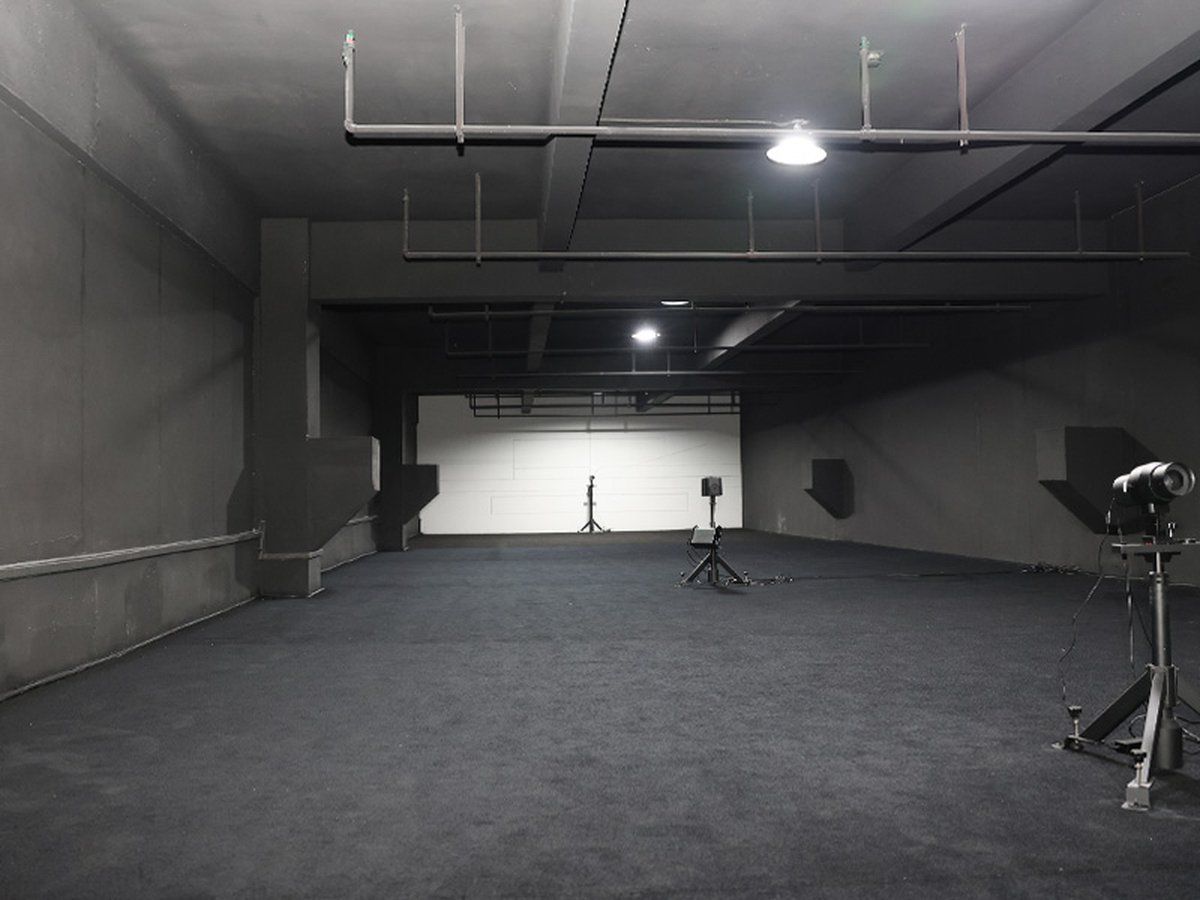


Documentation for DOT-marked lamps is available on request for your target market.
Spec checklist before you order
- Dimensions: overall width in inches, overall length in feet including the tongue, GVWR from the certification label
- Class: which of the five rows above the trailer falls in
- Rear set: combination lamps or separate stop/tail/turn, red rear reflectors, plate illumination
- Side set: front amber and rear red markers, intermediate markers if 30 ft or longer, all at 15 in or higher
- Top set: clearance and identification lamps if 80 in or wider, ID centres 6–12 in apart
- Conspicuity: tape grade and pattern if 80 in or wider and over 10,000 lb GVWR
- Electrical: 9–32 V DC, connector type and cable length per position
- Documentation: DOT-marked lamps, test documentation on request
- Lead time and samples: 1 to 5 samples for a fitting trial, then 60 pieces per model minimum with a 15 to 25 working day lead time
- Warranty: 1 year on signal and marker lamps
Frequently asked questions
What lights are legally required on a trailer in the US?
Every trailer needs two red tail lamps, two red stop lamps, two rear turn signals, amber front and red rear side markers, side and rear reflex reflectors and a licence plate lamp. Trailers 80 inches or wider add front and rear clearance lamps and three red identification lamps; trailers 30 feet or longer add intermediate side markers and reflectors.
Does a trailer under 80 inches wide need clearance lights?
No. Clearance lamps and identification lamps are required only at 80 inches (2,032 mm) of overall width or more. A narrow trailer may carry them, but it cannot be cited for not having them.
When is conspicuity tape mandatory on a trailer?
When the trailer is both 80 inches or wider and rated above 10,000 lb GVWR. Either condition alone does not trigger the requirement. The rated GVWR on the certification label is what counts, not the load on the day.
Put the list on the build sheet
Measure width, length and read the GVWR label, and the lamp list is decided for you: baseline set, plus clearance and identification lamps above 80 inches, plus intermediate markers at 30 feet, plus conspicuity tape when width and weight both cross the line.
Browse the truck and trailer lights range, or send us the trailer dimensions and target market and we will return a position-by-position lamp set with part numbers and pricing within one business day. For the electrical side of a long harness, our multi-volt input guide explains how one 9–32 V DC part number covers 12 V and 24 V tractors.
For the wiring side of the same trailer, our guide to trailer light wire colours explains why the colour code is a convention rather than a standard, and what to check before you trust it.